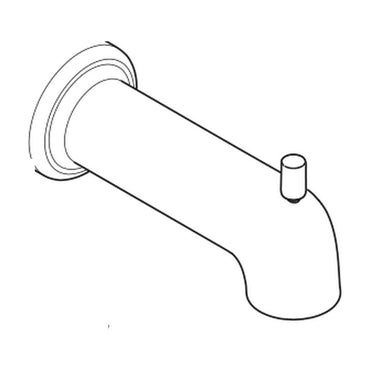
Quick answer: The best bathroom faucet for a guest bathroom is a single-handle model with a four-inch center-to-center spacing, a ceramic-disc cartridge, and a low-maintenance brushed-nickel finish. Choose a spout with moderate reach and a push-button drain to ensure easy cleaning and reliable performance during occasional heavy use.
Four inches is the standard center-to-center measurement that dictates the vast majority of sink layouts across residential construction. This specific distance defines the widespread physical constraint you must navigate before considering the visual appeal of a new fixture. Selecting a bathroom faucet for guest bathroom use demands prioritizing heavy-duty mechanical reliability over complex aesthetics, as this fixture endures sporadic but intense usage from visitors unfamiliar with your plumbing quirks. You need a setup that survives aggressive handling and cleans up quickly after a weekend of heavy traffic.
Replacing a failing fixture in a secondary washroom is an exercise in defensive design. The hardware must tolerate hard water sitting idle in the lines for weeks, followed by sudden bursts of rapid activation. A successful installation balances internal durability with an exterior finish that requires minimal scrubbing to look presentable before the next arrival.
-

 19% off
Moen 6610 Brantford Double Handle Centerset Bathroom Faucet W/ Drain Chrome
$79.99$79.99 $99.64 -


Evaluating Single Handle Versus Two Handle Operation
Guest bathrooms benefit immensely from simplicity, making the single lever configuration a highly practical choice for transient users. A single handle design relies on a unified internal mixing chamber to blend the hot and cold supplies simultaneously. This mechanical efficiency allows guests to quickly find a comfortable temperature without fiddling with independent valves. Furthermore, a single lever drastically reduces the physical footprint on the vanity deck, leaving fewer crevices for soap scum and hard water deposits to accumulate.
Two-handle fixtures introduce twice the mechanical failure points. Each handle requires its own internal cartridge and under-sink connections. Visitors twisting a cold handle past its stopping point can quickly snap the internal stops. Limiting the user to a single pivoting lever significantly reduces the physical torque applied to the brass rough-in components.
Cleaning a single handle unit requires wiping down one continuous piece of metal. Two separate handles force you to scrub between the tight gaps separating the hot valve, cold valve, and central spout. Minimizing the physical geometry of the fixture cuts your maintenance time in half.
| Feature | Single-Handle | Two-Handle |
|---|---|---|
| Mechanical points | Unified mixing chamber with one cartridge | Two separate cartridges, independent valves |
| Cleaning effort | One continuous metal piece, fewer crevices | Must scrub between hot, cold, and spout gaps |
| Failure risk | Lower torque on rough-in, fewer stops | Higher torque, double failure points, possible snap of internal stops |
Choosing Finishes That Hide Water Spots
Selecting the correct exterior plating directly dictates how much time you spend wiping down the vanity after visitors depart. Highly reflective chrome offers a highly durable, scratch-resistant surface, but it acts like a mirror for every single fingerprint and dried water droplet. If you choose chrome, you commit to polishing the metal after every single use to prevent hard calcium rings from etching into the finish.
Brushed nickel and matte black finishes actively camouflage daily use marks. The muted texture of brushed nickel scatters light, making dried water spots nearly invisible from a few feet away. This specific finish characteristic is highly valuable for a bathroom faucet for guest bathroom applications, where you cannot monitor the immediate aftermath of every hand wash.
Dark bronze options present a unique challenge in areas with heavy mineral content. Hard water leaves stark white calcium deposits that contrast aggressively against dark metal. Scrubbing these deposits with abrasive sponges eventually removes the protective factory clear coat, exposing the raw brass underneath. If your local water supply features high calcium levels, sticking to lighter brushed tones prevents permanent visual degradation.
Ceramic Disc Cartridges and High Traffic Use
The internal mechanism controlling the water flow determines how long the fixture survives the unpredictable habits of visitors. Older designs utilized rubber washers that compressed against a metal seat to stop the water. These washers dry out, crack, and fail rapidly if the sink sits unused for long periods between guest stays, resulting in an annoying constant drip.
Modern heavy-duty fixtures rely entirely on ceramic disc cartridges to regulate both volume and temperature. These cartridges contain two polished ceramic plates that slide against each other with exact precision. Because the ceramic material is fired to a hardness approaching that of diamonds, the plates sheer the water stream cleanly and resist internal wear from abrasive sand or grit trapped in the municipal water lines.
Ensuring your chosen fixture utilizes a ceramic cartridge is the most effective way to prevent mid-visit plumbing emergencies. These hardened internal components handle extreme rotational force without failing, easily surviving the heavy-handed operation common with visiting children or rushed adults. The exact positive stop provided by the ceramic plates ensures the water shuts off completely every time the handle drops.
Selecting the Right Spout Reach and Arc
Water trajectory matters heavily when dealing with the shallow basins typically installed in secondary washrooms. The spout reach is the horizontal distance from the center of the mounting hole to the exact point where the water stream exits the aerator. If this reach is too short, the water barely clears the back slope of the basin, forcing users to press their hands against the porcelain to wash up.
A spout that extends too far forward drops water directly over the drain. This creates aggressive splashing as the high-velocity stream strikes the stopper and ricochets onto the mirror. You must measure the distance from the mounting holes to the basin center to find a fixture that drops the stream exactly into the middle of the rear slope.
The vertical arc of the spout also influences user comfort. High arc designs provide ample clearance for guests trying to fill a water glass or wash their face. Low-profile spouts restrict the usable space beneath the aerator. Matching a moderate arc to a medium reach provides the necessary physical clearance without generating the severe splashing associated with tall, gooseneck configurations.
Managing Water Pressure and Flow Rates
Federal regulations cap sink flow rates at a maximum of 1.2 to 1.5 gallons per minute, depending on local codes. Manufacturers achieve these reduced rates by installing restrictive aerators at the tip of the spout. While this saves water, it can cause frustratingly weak pressure if your home suffers from low line pressure.
If your washroom sits at the end of a long plumbing branch, you must secure a fixture designed to optimize low-pressure delivery. Some designs utilize engineered aerators that inject air into the water stream, creating a thick spray that feels heavy even at restricted outputs. This provides the tactile sensation of high pressure without violating conservation laws.
Aerators also act as the primary filter for the fixture, trapping loose calcium flakes and pipe scale before they exit the spout. Because secondary washrooms sit idle, sediment easily settles in the horizontal supply lines and flushes into the aerator upon activation. Purchasing a model with an easily removable aerator allows you to quickly unscrew the tip and flush the debris into the trash without requiring specialized extraction keys.
Drain Assembly Mechanics and Maintenance
The mechanism used to seal the basin is just as critical as the water delivery system. Traditional pop-up drains utilize complex metal pivot rods, plastic ball joints, and spring clips hidden in the cabinet underneath. These multi-piece assemblies notoriously collect hair, trap soap scum, and snap out of alignment when visitors push down too hard on the stopper.
Push-and-seal drain assemblies eliminate the under-sink linkage entirely. These modernized drains operate via a simple spring-loaded mechanism housed directly inside the drain flange. A user simply presses the stopper down to seal the basin and presses it again to release the water. This direct-action design removes the fragile pivot rods from the equation entirely, eliminating the most common point of failure in washroom plumbing.
Maintaining a push-button drain takes mere seconds. You simply unscrew the top cap by hand and pull the entire spring mechanism out of the basin for rinsing. This allows you to clear trapped hair and toothpaste residue instantly, preventing the slow-draining clogs that inevitably occur right before a holiday weekend. Simplifying the drain mechanics directly reduces your long-term maintenance burden.
Equipping a secondary washroom requires balancing robust internal mechanics against low-maintenance exterior surfaces. Relying on a single-handle configuration with a ceramic disc cartridge protects the internal plumbing from aggressive usage, while selecting a spot-resistant finish and a direct-action drain assembly drastically reduces your cleaning time. Prioritizing these specific physical traits over purely decorative features ensures the installation remains reliable and visually clean regardless of how many visitors pass through the space.
Ready to upgrade? Browse our Bathroom Faucets collection at Aqualux Studio.
Related reading
- Single Handle vs Double Handle Bathroom Faucet: Control, Cleaning and Fit
- Moen Ronan Bathroom Faucets: Matching the Vanity and Shower
- Bathroom Faucet for a Kids' Bathroom: Reach and Handle Choices
- Bathroom Faucet for a Vessel Sink: Spout Height and Reach
Written by John Plumber, an experienced plumber who shares his personal opinion and hands-on experience.
This article reflects personal experience, not step-by-step instructions. Always follow the manufacturer's installation guide for your exact model, and hire a licensed plumber if you are not sure. Questions or corrections: support@aqualux.studio.