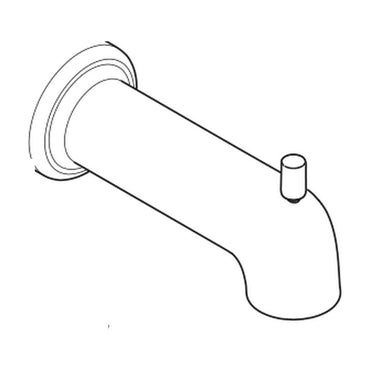
Quick answer: A wall-mount tub filler can achieve high flow only when paired with a high-capacity rough-in valve and three-quarter-inch supply piping. The valve must be rated for at least 10-15 GPM, use wide-port ceramic disc cartridges, and be anchored to a solid two-by-six wood block to prevent sagging.
10 to 15 gallons per minute is the minimum flow rate required to fill a large freestanding basin before the bathwater goes cold. Hitting that specific target with a wall mount tub filler high flow configuration depends entirely on the rough-in valve concealed behind your drywall. Selecting the trim kit is merely the final visual step.
If you are still choosing, the in-stock options are in our Moen Roman tub faucets collection.
The vital mechanical work happens deep inside the wall cavity, where the plumbing infrastructure must handle significant volume and physical weight. A dedicated high-capacity valve is engineered with large internal chambers to bypass typical shower restrictors, making its proper installation critical.

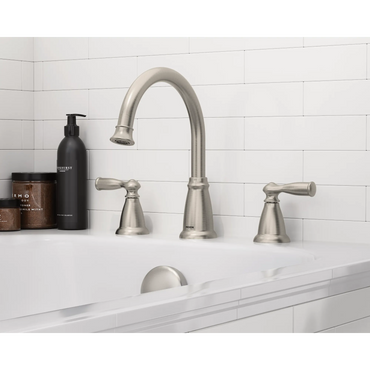
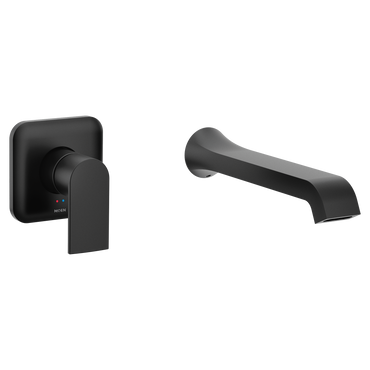

Internal Valve Chamber Dimensions
Standard bath valves max out around five gallons per minute due to restrictive internal geometries. High-capacity valves demand at least double or triple that rating to function correctly in a soaking bath environment. You must verify the exact GPM specification cast into the brass rough-in valve body before modifying your framing. The valve dictates the absolute maximum volume of water that can pass through the system. Manufacturers forge these heavy-duty valves with wider internal waterways that eliminate typical pressure-balancing spools. Bypassing those limiters allows water to rush through the cartridge unobstructed. You must match the valve's stated output capacity to the volumetric requirements of your specific tub. Mismatching the valve capacity to the tub volume causes rapid temperature loss. If a weak valve takes thirty minutes to fill a large basin, the water cools considerably before reaching the overflow drain.
| Feature | Standard Valve | High-Capacity Valve |
|---|---|---|
| Max Flow Rate | up to five gallons per minute | ten to fifteen gallons per minute (minimum) |
| Pipe Size Required | half-inch copper tubing | three-quarter-inch copper or PEX tubing |
| Cartridge Type | pressure-balancing restrictor | wide-port ceramic disc |
| Mounting Requirement | typically attached to drywall or studs | must be bolted to solid two-by-six wood blocking |
Rough In Valve Port Connections
Feeding standard half-inch copper tubing directly into a high-capacity valve throttles water delivery immediately. To utilize the full mechanical potential of a moen tub filler wall mount design, you typically need to run three-quarter-inch supply pipes straight from the water heater. The smaller half-inch pipes simply cannot carry enough mass to keep the larger valve body pressurized during operation. Connecting new three-quarter-inch pipes often requires opening up the floor joists back to the nearest major branch in your residential plumbing system. Tapping into a nearby sink supply is a frequent error that ruins the functionality of the tub filler. The larger diameter tubing must run continuously to the valve inlets to prevent severe pressure drops. While copper remains the industry standard, PEX tubing is highly popular for retrofits. Be aware that standard PEX crimp fittings insert inside the pipe, reducing the internal diameter slightly.
Anchoring to Structural Wood Blocking
A heavy brass rough-in valve loaded with standing water exerts serious torque on the wall cavity, especially when a long metal spout is threaded onto the front stem. You cannot rely on drywall or thin metal studs to support this assembly. The valve body must be bolted directly to a solid wood mounting block securely fastened between two structural vertical studs. Creating this blocking requires measuring the exact depth from the finished tile surface backward into the stud bay. High-capacity valves usually feature a plastic plaster guard with minimum and maximum depth lines. Setting the mounting board too far back means the exterior trim will not attach properly. Using two-by-six lumber for the blocking provides the necessary rigidity. Screwing the valve flange tightly to this solid wood prevents the heavy tub spout from sagging and eliminates the banging noise of water hammer.
Cartridge Mechanisms and Shear Plates
Inside the heavy brass housing, the valve utilizes specific cartridge mechanisms to control the massive rush of water. Unlike common pressure-balancing cartridges that restrict paths to mix water based on line pressure, high-flow tub valves utilize wide-port ceramic discs. These internal components handle high kinetic energy without failing or vibrating under intense pressure. Ceramic disc cartridges are mandatory in these high-capacity applications because they shear the water stream cleanly. As you turn the handle on a tub filler wall mount, the polished ceramic plates slide apart to instantly open the wide waterways. These hardened discs resist wear from mineral deposits and provide an exact positive stop. Because these valves lack the tiny restrictors of a showerhead, they tolerate hard water scale better. Ensuring you have access to shutoff stops near the valve body allows cartridge cleaning without draining the entire house.
Evaluating Installation and Routing Boundaries
You must analyze the physical space required to route bulky three-quarter-inch pipes into a standard bathroom stud wall. Framing bays might house electrical conduits or vent stacks that obstruct the plumbing path. Choosing a wall mount tub filler vs floor mount setup saves physical floor space in tight rooms, but it shifts the spatial burden entirely to the wall cavity directly behind the tub. Floor-mounted units require routing pipes through the subfloor, which is sometimes impossible on concrete slab foundations without trenching. The wall-mounted configuration bypasses the slab limitation by utilizing the vertical framing structure. You must verify the chosen wall is thick enough to house the larger valve body. Running water pipes in an outside wall drastically increases the risk of freezing. If you must install the valve on an exterior boundary, build a false wall inboard of the heavy insulation.
Thermal Output and Water Heater Calibration
High-flow valves prioritize sheer volume over automatic temperature adjustment, meaning they behave differently than everyday bathroom fixtures. Standard pressure-balancing shower valves automatically adjust the mix to prevent a temperature spike. Dedicated high-capacity tub valves skip this automatic adjustment to keep the waterways wide open and maintain maximum flow speed. Because these valves dump water rapidly, minor fluctuations in line pressure are barely noticeable to the person filling a large basin. However, you must calibrate the household water heater output to match the tub's requirements. Delivering fifteen gallons per minute is useless if your water heater only holds forty gallons. To mitigate scalding risks without restricting the heavy flow, local plumbing codes often mandate installing a separate thermostatic mixing valve on the main supply line. This device tempers the heated water at the source, allowing the wall valve to operate at full capacity safely.
Troubleshooting Sudden Flow Reductions
Experiencing poor water delivery right after completing a new installation usually points to a few common mechanical errors. Debris from cutting copper pipes or soldering fragments often flushes directly into the valve body upon the first activation. This debris can lodge inside the ceramic cartridge plates, physically blocking the wide internal ports and drastically reducing the expected output. Securing the correct high-capacity rough-in valve and feeding it with three-quarter-inch pipe is the definitive foundation of any wall-mounted tub project. Without this robust internal infrastructure firmly anchored to the structural framing, no external trim kit can deliver the speed required for a large soaking basin. The valve acts as the main engine of your plumbing layout. Browse our complete selection in the Roman Tub Faucet category to find compatible trim kits and the precise rough-in valves engineered to support these demanding water delivery requirements.
Ready to upgrade? Browse our Roman Tub Faucet collection at Aqualux Studio.
Related reading
Written by John Plumber, an experienced plumber who shares his personal opinion and hands-on experience.
This article reflects personal experience, not step-by-step instructions. Always follow the manufacturer's installation guide for your exact model, and hire a licensed plumber if you are not sure. Questions or corrections: support@aqualux.studio.