

Quick answer: The Moen 220C3EP Verso is an eco-performance dual-function shower head that limits flow to about 1.75 gpm, uses a magnetic docking system for the handheld wand, features a continuously adjustable spray dial, and includes an integrated side-lever diverter. Understanding these specific traits helps you diagnose low pressure, wand-drop, dial-sticking, or leak issues without unnecessary part replacement.
Stepping into the bath and noticing that the water flow feels surprisingly restricted or that the hand wand does not snap into place as expected can cause immediate frustration. Many homeowners install a dual-fixture system expecting a heavy blast of water pressure, only to find the operation behaves quite differently than previous plumbing setups in the home. Evaluating the specific features of the moen 220c3ep verso shower head clears up this operational confusion, as this exact configuration carries distinct mechanical traits compared to the broader product family. Understanding these exact structural and operational variances allows you to troubleshoot potential issues accurately without assuming the hardware is inherently defective.
-
 23% off
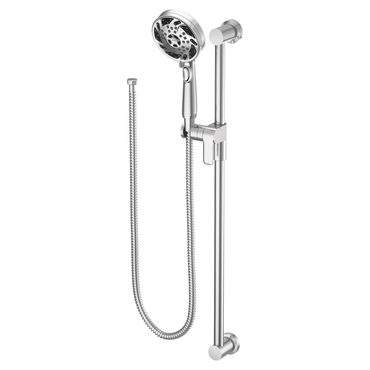
Moen 3670EP Chrome Eco-Performance Handheld Shower
$109.99$109.99 $142.98 -

 46% off
Moen 220C3BL Verso Combination Shower Head Matte Black Magnetix Handheld
$160.99$160.99 $299.00


Recognizing the Eco Performance Flow Rate
The most significant operational difference in this specific variant involves its intentional water conservation engineering. The "EP" designation in the model code indicates an eco-performance rating, meaning internal flow restrictors limit the maximum water output to roughly 1.75 gallons per minute. Standard variants in the exact same product family might push closer to the federal maximum limit of 2.5 gallons per minute.
Homeowners transitioning from older, unrestrictive fixtures often interpret this sudden flow reduction as a plumbing defect or a clogged filter screen. Before disassembling the unit to search for imaginary blockages, verify your specific model requirements by checking the small text etched onto the connection collar. The internal water restrictor is permanently seated inside the main threaded housing and should never be drilled out or removed, as doing so violates compliance with local water efficiency codes and ruins the internal seals.
If the pressure drops suddenly after months of normal use, the issue likely stems from hard water scaling at the main connection point rather than the factory flow restrictor. Unthreading the main shower head from the wall arm allows direct access to the small debris screen located just behind the rubber washer. Rinsing this wire screen under an open bathroom faucet clears trapped pipe sediment and instantly restores the intended eco-performance flow rate.
| Feature | Specification | Common Issue / Fix |
|---|---|---|
| Eco Flow | 1.75 gpm (EP) limited by internal restrictor | Mistaken for defect; do not drill out restrictor |
| Magnetic Dock | Uses magnetic docking; no external bracket | Weak pull caused by mineral deposits; clean with vinegar |
| Continuous Dial | Slides freely, blends spray patterns | Sticks when scale builds; soak wand in descaling solution twenty to thirty minutes |
| Integrated Diverter | Side lever on right, routes water between rain and wand | Leaks from rain head when wand selected indicate worn cartridge; lower flow before switching |
| Hose Connection | Flexible metal hose with rubber washer | Leak at wand base from missing or crushed washer; hand-tighten collar |
| Wall Arm | Heavy dual fixture stresses wall arm; tighten retaining nut and apply three wraps of plumber tape | Drooping fixture if wall arm loose; may need new mounting screws behind wall |
Evaluating the Magnetic Docking Integration
Certain units in the broader fixture catalog rely on mechanical plastic clips or tight friction brackets to hold the handheld wand securely in place. This specific model utilizes a unique magnetic docking interface that snaps the wand directly to the main stationary shower head housing. This structural choice completely removes the need for an external wall bracket and changes how the metal hose hangs downward in the shower enclosure.
A common troubleshooting scenario involves the magnetic dock feeling incredibly weak, causing the wand to slide down the face of the main unit and crash into the tub. This loss of attraction rarely indicates a failing permanent magnet inside the fixture housing. Instead, built-up mineral deposits form a physical, crusty barrier between the metal contact points on the wand and the base dock, preventing a completely flush connection.
Wiping the magnetic docking surface with a damp microfiber cloth soaked in diluted white vinegar removes the invisible calcium layer safely. The back of the wand must seat completely flat against the base station for the magnetic pull to secure the full weight of the water-filled hose. Maintaining a clean contact patch ensures the wand remains firmly attached even when the main diverter sends strong water pressure through both fixture heads simultaneously.
Adjusting the Continuous Spray Dial
Operating the spray settings on standard handheld units usually involves clicking a stiff plastic lever through three or four distinct, rigidly locked positions. This specific Verso model utilizes a continuous adjustment dial that glides freely through different spray patterns without locking firmly into preset notches. This sliding mechanism allows users to blend two different spray functions together at highly custom output ratios.
If the dial becomes difficult to rotate or feels as though it is grinding against the outer plastic housing, internal hard water scale has likely crystallized behind the main faceplate. Forcing the dial aggressively past a sticking point risks snapping the delicate internal plastic gearing that directs water to the specific rubber nozzles.
Submerging the entire face of the handheld wand in a shallow plastic bowl of standard descaling solution dissolves the internal mineral deposits blocking the dial track. After soaking for twenty to thirty minutes, rotating the dial back and forth under running warm water flushes out the broken-down mineral sediment. The continuous slide function relies entirely on internal factory lubrication, which remains protected as long as aggressive chemical cleaners are kept away from the fixture housing.
Managing the Integrated Diverter Valve
Managing water distribution between the wide rain shower and the smaller handheld wand requires interacting with the diverter switch located on the right side of the main housing. Unlike older variants that require a completely separate diverter valve installed deep behind the tile wall, this model incorporates the routing mechanism directly into the exposed fixture base. This localized diverter gate allows you to run the rain shower alone, the hand wand alone, or both components simultaneously.
Troubleshooting a frustrating situation where water continuously leaks from the rain head while only the wand is selected usually points to a worn internal diverter cartridge. Operating the side diverter lever rapidly while the water is running at full volume places extreme physical stress on the small internal O-rings. The abrupt change in water direction forces the rubber seals slightly out of alignment, creating tiny bypass leaks.
To extend the functional lifespan of this integrated routing valve, lower the water flow slightly at the main wall handle before switching functions on the shower head itself. This temporary pressure reduction allows the internal diverter gate to slide smoothly into its new position without fighting the heavy force of the incoming water supply. Consistent, gentle operation keeps the internal seals seated precisely and prevents cross-flow dripping between the two heads.
Hose Flexibility and Connection Mechanics
The flexible metal hose supplied with this specific dual-function unit is engineered to drape smoothly against the wall without retaining rigid kinks from the tight factory packaging. Some alternative budget models ship with stiff vinyl hoses that require weeks of hot water exposure to finally relax. The kink-free metal exterior actively resists twisting, which keeps the magnetic wand aligned properly with the base station without fighting your grip.
Leaks occurring rapidly at the base of the handheld wand typically result from a missing, twisted, or crushed rubber washer inside the threaded hose collar. Because the hand wand pivots constantly during daily use, the threaded connection can back off slightly, breaking the critical watertight seal. Tightening the metal collar by hand until fully snug is generally sufficient to stop minor dripping along the metal casing.
Avoid using heavy metal wrenches or pliers to tighten the hose connections, as the thin exterior plating scratches extremely easily and the excessive mechanical force crushes the internal rubber gasket flat. If firm hand tightening does not resolve the active leak, inserting a brand new rubber washer inside the collar provides a fresh compression surface. Thread seal tape is completely unnecessary on these specific hose fittings and can actually prevent the collar from tightening deeply enough to seal.
Securing the Wall Arm Connection
Supporting a combined rain shower housing and a magnetic hand wand places significant downward weight on the threaded metal wall pipe. Standard single-function shower heads exert minimal downward force, but the extended plastic housing of this combo unit acts as a physical lever against the plumbing rough-in. A loose connection at the wall pipe results in the entire fixture drooping forward, which misaligns the water spray and stresses the internal pipe threads.
Correcting a heavily drooping fixture requires tightening the main retaining nut located at the very rear of the shower head assembly. Applying three wraps of fresh plumber tape to the wall arm threads ensures the fixture grips the pipe tightly and resists rotating under the heavy weight of the water. Remove all old, degraded tape fragments completely before applying the new layers to avoid cross-threading the plastic female collar.
If the metal wall arm itself wiggles noticeably inside the tile hole, the drop ear elbow secured to the wood framing behind the wall has likely worked loose over time. This deeper structural issue requires accessing the hidden plumbing cavity to drive new mounting screws into the wood blocking. The heavy dual fixture requires a rigidly mounted wall arm to function correctly and prevent long-term stress fractures in the threaded plastic housing.
Identifying the unique structural characteristics of the 220C3EP, from its strict eco-performance flow restrictions to its continuous blend dial and magnetic docking station, allows for highly accurate maintenance. Addressing hard mineral buildup on the contact points, managing internal diverter pressure drops, and securing the heavy assembly to a stable wall arm resolves the most common performance complaints. Recognizing exactly how this specific configuration departs from standard models ensures you apply the correct troubleshooting techniques and keep the hardware functioning reliably for years.
Ready to upgrade? Browse our Shower Heads & Handheld Showers collection at Aqualux Studio.
Related reading
- Moen 164929 Hand Shower: Single-Function Fit and Finish Questions
- Moen 8554AC Touchless Lavatory Faucet: What to Check Before You Order
Written by John Plumber, an experienced plumber who shares his personal opinion and hands-on experience.
This article reflects personal experience, not step-by-step instructions. Always follow the manufacturer's installation guide for your exact model, and hire a licensed plumber if you are not sure. Questions or corrections: support@aqualux.studio.


